
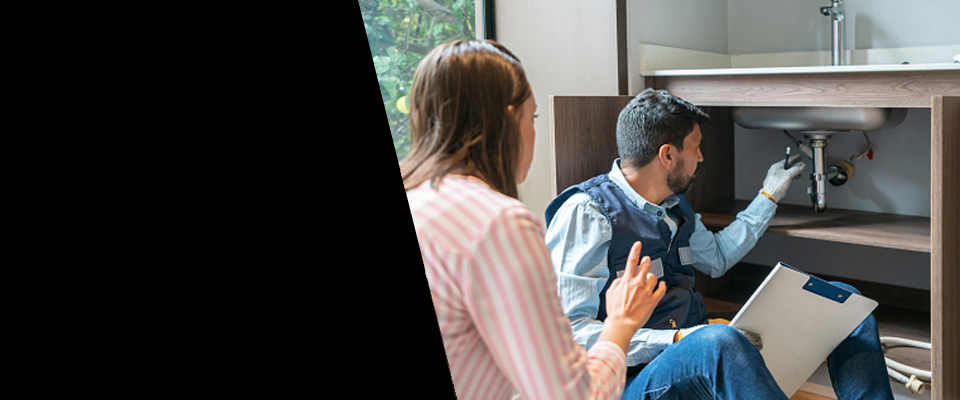
Pipe Repairs Plumbing Services in Russellville, IN
Russellville Pipe Repairs Pros on call now in Putnam County
Pipe Repairs provides a core plumbing service dedicated to restoring the integrity of worn or broken pipes within residential and commercial systems. Whether repairing corrosion, cracks, joint failures, or burst pipes, the service includes accurate diagnostics and reliable solutions, such as epoxy lining, clamping, or pipe section replacement. The goal is sustained performance and prevention of future disruptions
We provide top notch Plumbing services throughout Putnam County. Whether you need help with Pipe Repairs or other issues, our Team is ready.

Plumbing Services in Russellville, IN
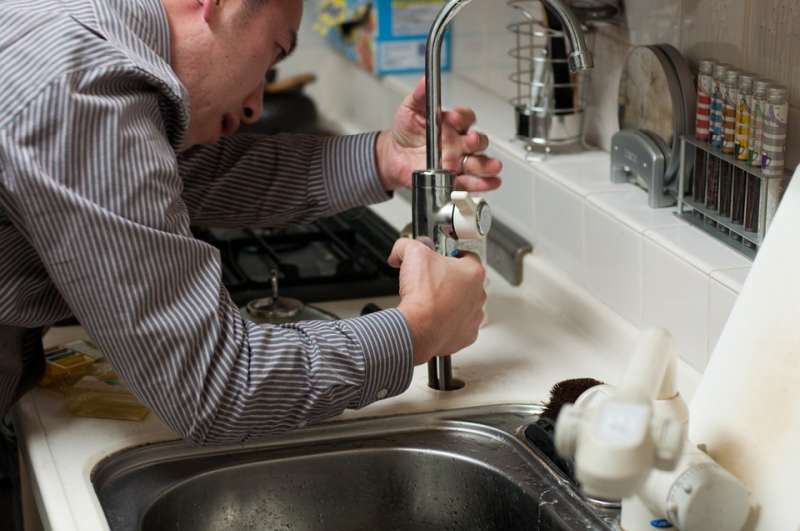
Setting up dishwashers, water heaters (tank and tankless), garbage disposals, and cleaning devices.
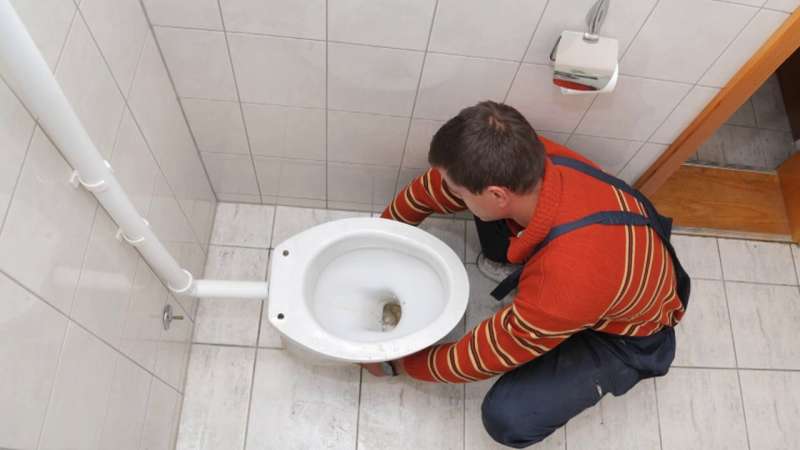
Guaranteeing backflow avoidance devices are working correctly.

Relocating or updating plumbing systems.

Guaranteeing plumbing systems satisfy regional regulations.

Immediate action to prevent flooding and water damage.

Clearing obstructions in sinks, toilets, showers, and sewer lines.
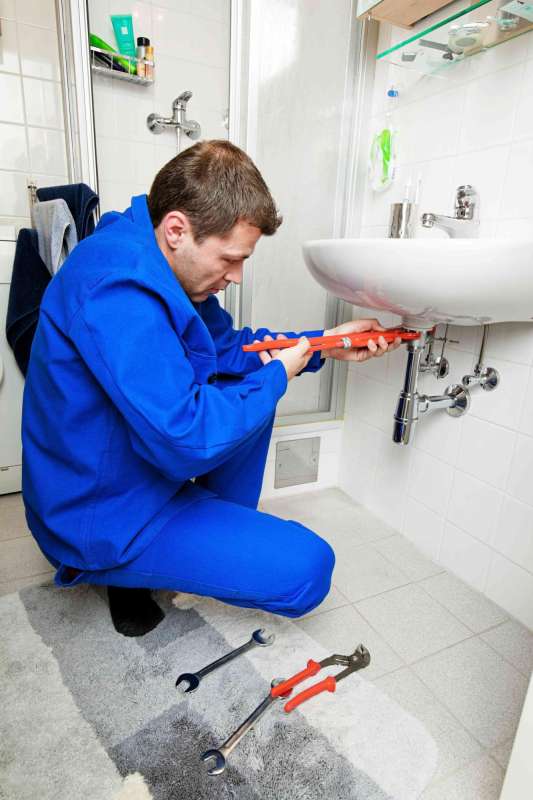
Regular cleaning to prevent blockages and keep circulation.

Repairing malfunctioning faucets, toilets, and other components.

Installation of sinks, faucets, toilets, tubs, and showers.

Emergency detection and repair to prevent dangers.
Fixing gas leakages and guaranteeing appropriate gas line operating.

Establishing systems for recycling household wastewater.

Installing and keeping glowing flooring heating systems.

Specialized piping for factories or commercial settings.

Setting up and keeping outside watering.
Plumbing systems for new structures or restorations.
Repairing leakages in pipelines, faucets, toilets, and devices.

Quick resolution of severe clogs and overflows.

Utilizing cams to examine pipes for damage or blockages.
Fixing or changing burst, corroded, or damaged pipes.
Setting up new piping systems for water, gas, and drainage.

Assessing plumbing systems before purchasing property.

Installing systems to collect and utilize rainwater.

Continuous upkeep services for companies.
Putting up, repairing, and preserving sewage-disposal tanks.
Handling groundwater in basements.

Installing water-efficient or contemporary fixtures.

Encouraging on water-saving methods and items.
Installing water softeners and filtration systems.

Flushing and inspecting water heaters to prolong life-span.
Addressing problems with temperature level, leakages, or failure to heat water.

Securing basements or other locations from water intrusion.

Immediate attention to prevent contamination and health risks.